Skip to content

Menu

LexBlog, Inc. logo
NetworkSub-MenuBrowse by SubjectBrowse by PublisherJoin the NetworkGet StartedSubscribeSupportContact
Search
Close

Drug Test Woes: State Law Protections for Employee Cannabis Use May Not Protect Them After All

By Anne Knox Averitt & Anne R. Yuengert on December 17, 2024
Email this postTweet this postLike this postShare this post on LinkedIn
Drug Test Woes: State Law Protections for Employee Cannabis Use May Not Protect Them After All

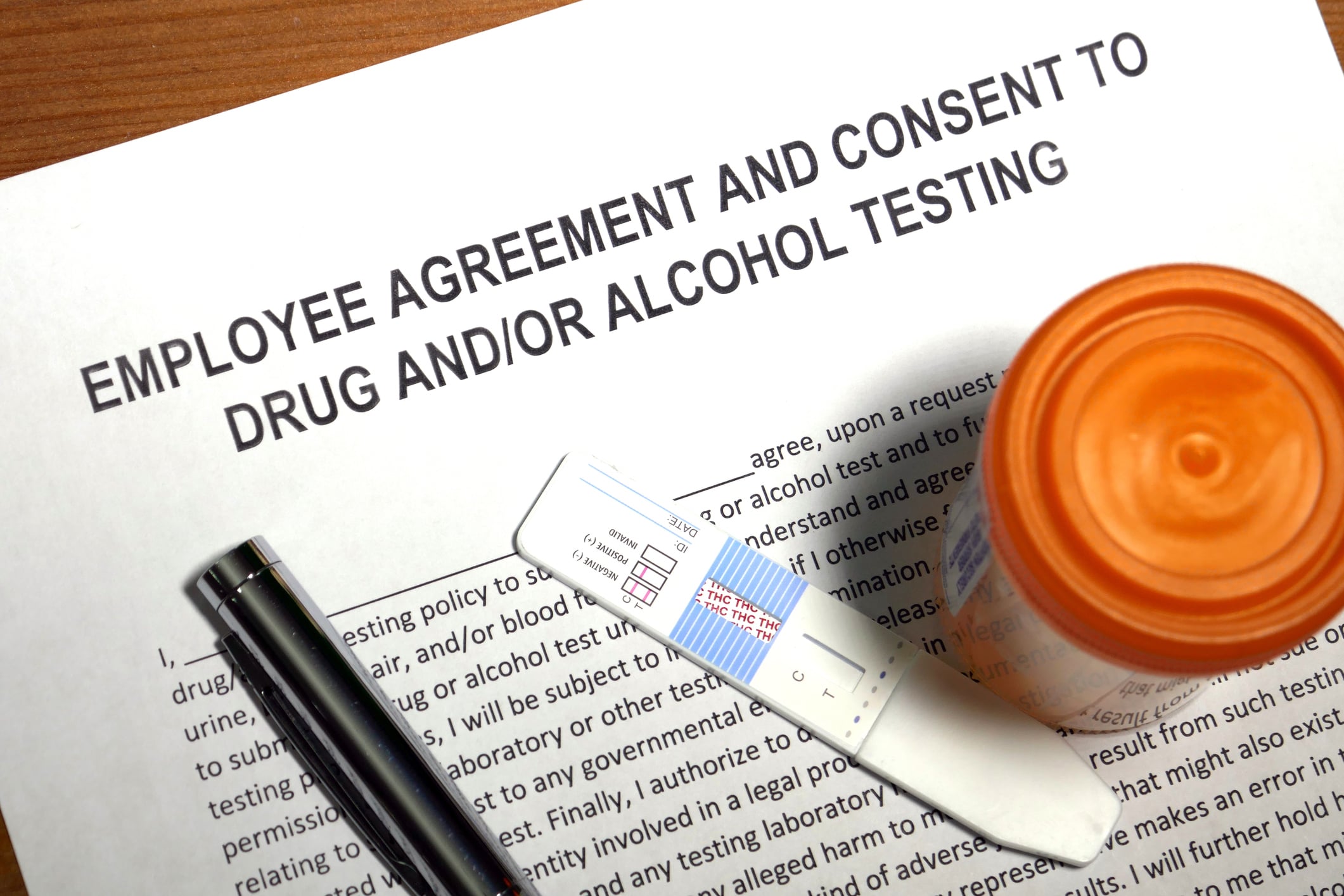
The changing landscape of the cannabis industry is keeping employers on their toes nationwide. As more and more states expand the legalization of cannabis products, we are also seeing a trend in the cannabis statutes for protections of workers who use them. If cannabis is legal in your state and an employee tests positive for it, can you still terminate based on your drug-free workplace policy? A new decision out of the Third Circuit Court of Appeals, Zanetich v. Wal-Mart Stores East, et al., suggests that courts may not necessarily enforce worker protections in state statutes that do not expressly set out a remedy for the worker to seek in court. 

Link to Facts and Statutory Language Matters Facts and Statutory Language Matters

In 2021, New Jersey enacted the Cannabis Regulatory Enforcement Assistance and Marketplace Modernization Act (CREAMMA), which both legalized cannabis and set out a number of related regulations, including the prohibition of employment discrimination based on cannabis use. That provision states: 

No employer shall refuse to hire or employ any person or shall discharge from employment or take any adverse action against any employee with respect to compensation, terms, conditions, or other privileges of employment because that person does or does not smoke, vape, aerosolize or otherwise use cannabis items…

It goes on to protect employees from adverse employment actions based solely on a positive cannabis drug test:

[A]n employee shall not be subject to any adverse action by an employer solely due to the presence of cannabinoid metabolites in the employee’s bodily fluid from engaging in conduct permitted under [CREAMMA].

In 2022, following CREAMMA’s enactment, Erick Zanetich applied for an asset protection job at a Wal-Mart facility in Swedesboro, New Jersey. He was offered the job, contingent on a negative drug test. Wal-Mart rescinded Zanetich’s job offer, however, after he tested positive for cannabis.

Zanetich subsequently filed a putative class action against Wal-Mart in New Jersey state court, in part under the CREAMMA anti-discrimination clause. Wal-Mart removed the case to federal court and moved to dismiss that claim on the grounds that individuals lacked a private right of action under CREAMMA. After the district court granted Wal-Mart’s motion to dismiss, Zanetich appealed, and the Third Circuit affirmed the dismissal.  Notably, the Third Circuit concluded that CREAMMA did not expressly state (or even imply) a private right of action (i.e., an individual citizen’s ability to file a lawsuit against an employer who violates that provision), and the court would not infer one to allow Zanetich’s claim to proceed.

Link to Takeaway  Takeaway 

While this decision does not mean you can ignore state laws with cannabis-use protection for employees, it does indicate that such statutory provisions lacking a private right of action may not have the remedy for workers that legislators advertise. It remains to be seen whether states will enact new (or amend previously existing) cannabis protections to expressly include a private right of action. 

Photo of Anne Knox Averitt Anne Knox Averitt

Anne Knox Averitt is a labor and employment and litigation partner in the Birmingham office. She represents governmental and corporate clients in a number of industries, including automotive, natural resources, manufacturing, health care, non-profit, employee staffing, housing compliance, communications, federal contracting, construction, and…

Anne Knox Averitt is a labor and employment and litigation partner in the Birmingham office. She represents governmental and corporate clients in a number of industries, including automotive, natural resources, manufacturing, health care, non-profit, employee staffing, housing compliance, communications, federal contracting, construction, and financial services. She has helped to obtain favorable resolution for matters at all stages, from dismissal on the initial pleadings to a defense jury verdict.

Read more about Anne Knox AverittEmailAnne's Linkedin Profile
Show more Show less
Photo of Anne R. Yuengert Anne R. Yuengert

Anne Yuengert works with clients to manage their employees, including conducting workplace investigations of harassment or theft, training employees and supervisors, consulting on reductions in force and severance agreements, drafting employment agreements (including enforceable noncompetes) and handbooks, assessing reasonable accommodations for disabilities, and…

Anne Yuengert works with clients to manage their employees, including conducting workplace investigations of harassment or theft, training employees and supervisors, consulting on reductions in force and severance agreements, drafting employment agreements (including enforceable noncompetes) and handbooks, assessing reasonable accommodations for disabilities, and working through issues surrounding FMLA and USERRA leave. When preventive measures are not enough, she handles EEOC charges, OFCCP and DOL complaints and investigations, and has handled cases before arbitrators, administrative law judges and federal and state court judges. She has tried more than 30 cases to verdict.

Read more about Anne R. YuengertEmailAnne's Linkedin Profile
Show more Show less
  • Posted in:
    Cannabis, Employment & Labor
  • Blog:
    Labor & Employment Insights
  • Organization:
    Bradley Arant Boult Cummings LLP
  • Article: View Original Source

Call us at 1-800-913-0988 or email sales@lexblog.com.

Facebook LinkedIn Twitter RSS
The Library at LexBlog
  • About LexBlog
  • The Field We Built
  • Library at LexBlog
  • Our Beliefs
  • Our Team
  • Contact LexBlog
  • Disclaimer
  • Editorial Policy
  • Terms of Service
  • Get Started
  • Publishing Solutions
  • Compass
  • Submit a Request
  • Support Center
  • System Status
Copyright © 2026, LexBlog, Inc. All Rights Reserved.
Law blog design & platform by LexBlog LexBlog Logo