

In Part 1 of this series, we introduced the Federal Acquisition Regulation’s (FAR) approach to insurance and risk allocation in federal procurement, focusing on FAR Part 28 and the insurance-related clauses in FAR Subpart 52.228. That post explained how the FAR uses insurance requirements to allocate risk between the government and its contractors. In Part 2, we examined automobile liability under FAR 52.228-8 and FAR 52.228-10, which address responsibility for vehicle-related injuries and property damage.
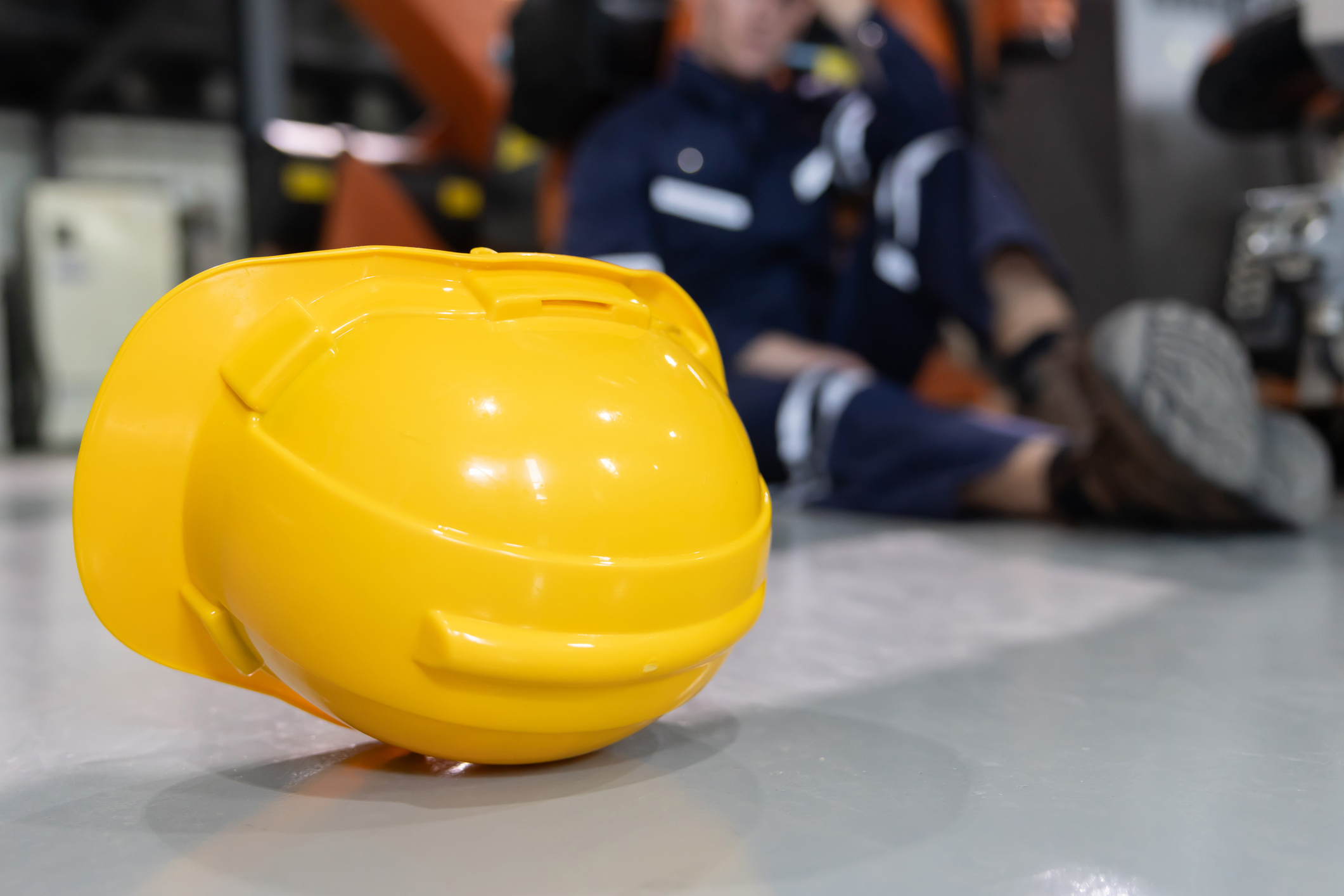
This installment turns to another major category of operational risk: liability for worker injuries. Unlike third-party liability, which is governed primarily by tort law and contractual risk allocation, liability for worker injuries is addressed through statutory workers’ compensation systems. FAR 52.228-3 implements those statutory protections into federal contracts by requiring contractors to obtain and maintain workers’ compensation coverage — most notably under the Defense Base Act (DBA) — for certain categories of federal contract work.
Link to FAR 52.228-3 and the Defense Base Act: Statutory Protection for Workers FAR 52.228-3 and the Defense Base Act: Statutory Protection for Workers
FAR 52.228-3 requires contractors to obtain and maintain workers’ compensation insurance as required by the DBA or to qualify as a self-insurer under applicable law. The clause is included in contracts where DBA coverage applies, including many federal projects performed outside of the United States and certain other categories of work specified by statute.
The DBA is a federal workers’ compensation law that extends coverage to employees working on covered federal contracts. It provides defined benefits — including medical care, disability benefits, and survivor benefits — for injuries or deaths arising out of and in the course of employment. Like domestic workers’ compensation systems, the DBA operates on a no-fault basis. In most cases, it serves as the exclusive remedy for covered injuries, meaning that employees generally may not pursue tort claims against their employer for workplace injuries covered by the statute.
FAR 52.228-3 makes compliance with this statutory regime a condition of contract performance. Contractors must secure DBA coverage from an authorized insurer, ensure coverage is in place before work begins, and maintain that coverage throughout the period of performance. The clause ensures that a reliable compensation system is in place before contract performance begins and before workers are exposed to the risks associated with the work.
Link to Risk Allocation and Contractor Responsibility Under FAR 52.228-3 Risk Allocation and Contractor Responsibility Under FAR 52.228-3
FAR 52.228-3 reflects a fundamental principle of federal contracting: Contractors are responsible for injuries to their own employees arising from contract performance and must obtain insurance sufficient to meet that obligation. The clause ensures that this responsibility is supported by insurance rather than borne directly by the contractor or shifted to the government.
The clause also imposes important flow-down obligations. Contractors must ensure that subcontractors performing covered work maintain appropriate DBA coverage. This is not a mere formality. If a subcontractor fails to obtain required coverage, the resulting exposure may not remain confined to the subcontractor. Prime contractors can face contractual, regulatory, and financial consequences, particularly where statutory benefits must still be paid and insurance is not in place.
Importantly, contractual indemnity provisions do not substitute for DBA compliance. The DBA establishes a statutory compensation scheme that operates independently of private contractual arrangements. Failure to secure required coverage can expose contractors to direct liability for statutory benefits and potential penalties, as well as performance-related consequences under the contract itself.
Link to Aligning FAR Worker Liability Requirements with Insurance Coverage Aligning FAR Worker Liability Requirements with Insurance Coverage
FAR 52.228-3 underscores the importance of aligning contractual obligations with a contractor’s broader insurance program. DBA coverage typically operates alongside domestic workers’ compensation and employer’s liability insurance, and coordination between these programs is particularly important where contract performance spans multiple jurisdictions or involves employees working both inside and outside the United States.
Reviewing DBA requirements early — at the solicitation stage, if possible — helps ensure that appropriate coverage is in place before performance begins. This includes confirming that subcontractors performing covered work maintain required coverage and that the contractor’s insurance program aligns with the contract’s geographic scope and operational realities.
In some circumstances, the DBA’s requirements may be waived by the U.S. Department of Labor, in which case alternative FAR provisions may apply. Even in those situations, however, the underlying principle remains the same: Federal contracts require contractors to maintain insurance that protects their workforce and supports the allocation of risk established by statute and contract.
Link to Looking Ahead Looking Ahead
Liability for worker injuries represents a central component of the FAR’s broader framework for allocating operational risk. The next and final post in this series will examine contractor liability for third persons under FAR 52.228-7 and how the FAR addresses claims brought by non-employees arising from contract performance.
If you have questions about insurance coverage needs as a government contractor, please do not hesitate to contact Katherine Henry, Aron Beezley, Ryan Hedstrom, or Elizabeth Brown.