

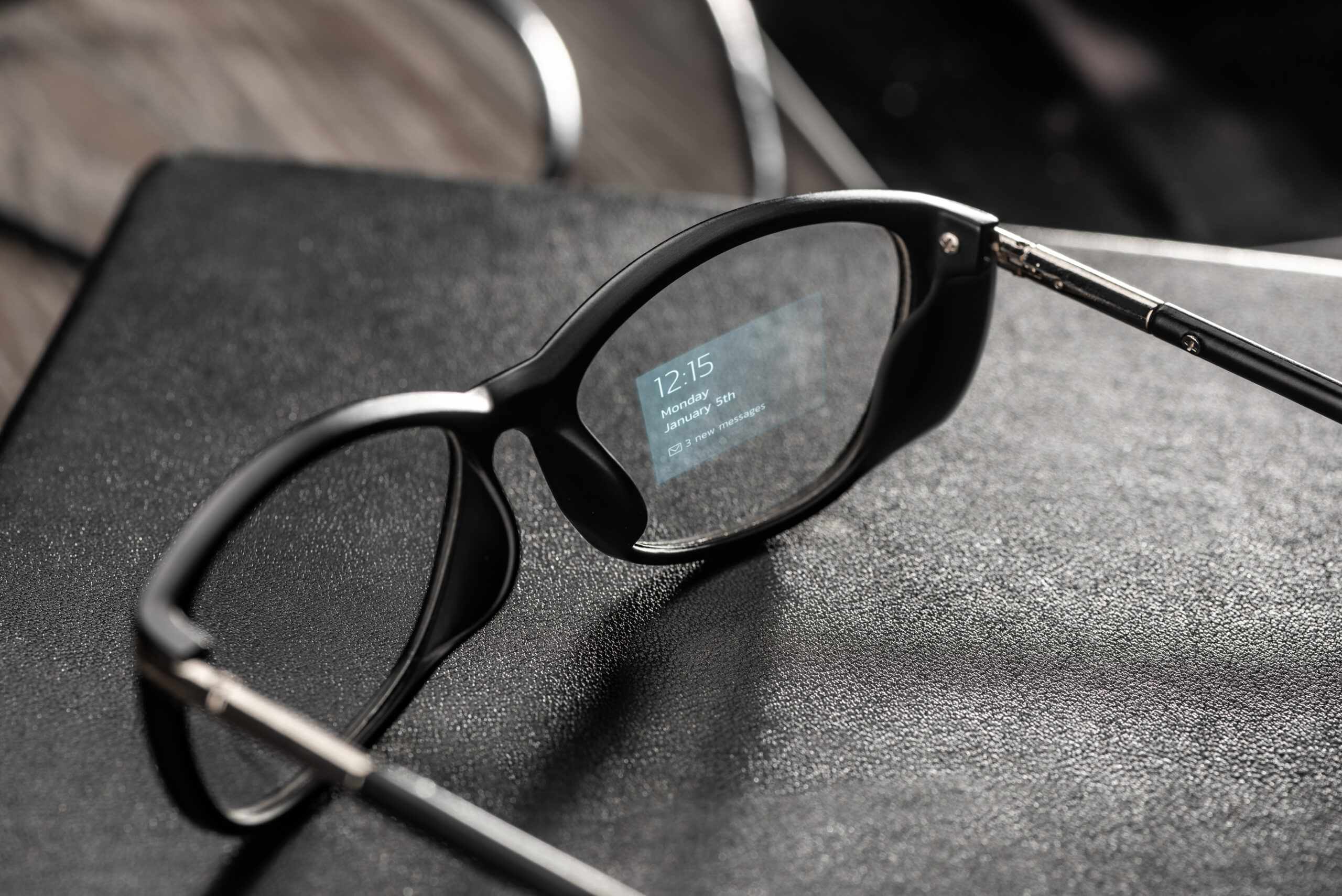
Smart glasses give users hands-free access to information, photos, video, and audio as well as the ability to record without the inconvenience of holding up a camera. Employees and employers alike may find these benefits helpful in the workplace. Employers, however, should proceed with caution as the use of these devices involves several legal issues to consider.
The legal considerations of using smart glasses will, of course, vary by industry. Employers must grapple with how they will address and restrict the use of smart glasses based on the information available to their employees and the services provided by the organization.
For example, manufacturers must be vigilant about the potential capture of trade secrets, proprietary processes, and confidential product designs through smart glasses recordings. Healthcare employers, on the other hand, must have HIPAA obligations top of mind. Smart glasses can capture Protected Health Information (PHI) in seconds (e.g., patient names, diagnoses, and medications), triggering HIPAA obligations. Financial services organizations and other highly regulated industries have strict securities laws and regulations concerning confidentiality of their customers’ personal and financial information (e.g., social security numbers, financial transactions). Smart glasses recordings of such information could constitute a breach of those obligations or greatly increase the risk of breach.
Below is a summary of some of the most common legal issues regarding smart-glasses usage and prudent steps for employers to take to mitigate risk and create clear expectations among their workforce.
Consent and Employee Surveillance Laws
Perhaps the most common concern with smart glasses in the workplace is the employee’s ability to record without clear notice. While federal law generally permits recording if one party consents, several states require all parties to consent. In turn, an employee’s secret smart-glasses recording of a non-consenting party could expose the employee to liability. While an employer is generally not liable for an employee’s unauthorized recordings made outside the scope of employment, employer liability may arise in certain circumstances, such as where the recording was made at the employer’s direction or otherwise within the scope of the employee’s duties.
These state laws range greatly in their scope, application, and penalties. For example, while some statutes carry criminal penalties, others carry only civil penalties. The statutes also differ as to what constitutes the necessary “consent” to avoid liability. Moreover, given the relative novelty of smart glasses, it is unclear how courts will apply these laws to smart glasses recordings. Employers should therefore proceed with caution before allowing unrestricted use of smart glasses in the workplace.
To the extent that any managerial or executive-level employees use smart glasses, employers must remember that certain states have strict laws on employee surveillance, such as California and Connecticut, which place various restrictions and requirements on employers prior to certain surveillance of employees (e.g., prior written notice).
Tension with Disability Accommodations
Restricting smart glasses is not always an option. Some employees may have prescription smart glasses or use them as assistive technology for an impairment. Given the Americans with Disabilities Act’s accommodation obligations, employers must engage in the interactive process to determine whether the use of smart glasses may constitute a reasonable accommodation.
An employer’s confidentiality obligations and consent laws will likely complicate the interactive process when it comes to smart glasses. For example, an employee with memory loss may request use of her personal smart glasses to record meetings for their future reference. Such accommodation may violate the employer’s HIPAA obligations for HIPAA-covered employers, run afoul of state consent laws if not all meeting participants consent, and increase the risk of disclosure of information subject to contractual confidentiality requirements. These issues do not excuse the employer’s duty to engage in the interactive process. Instead, an employer must determine whether another accommodation (e.g., recording on an employer-controlled device) is effective or additional safeguards around the employee’s use of smart glasses (e.g., employee’s agreement to a confidentiality and nondisclosure agreement) makes the accommodation feasible. If not, an employer may be able to rely on an “undue hardship” defense; however, this defense presents a high bar for employers, and these theories are largely untested in the law given the novelty of the technology.
Employee Protections Under the NLRA
The use of smart glasses in the workplace also raises issues under the National Labor Relations Act (NLRA). Employees who are not managers or supervisors (as defined by the NLRA and case law) have the right to engage in concerted activity for mutual aid or protection, including discussing workplace concerns with one another and seeking to improve working conditions. In some circumstances, that may include using smart glasses to document matters such as unsafe conditions, wage-and-hour concerns, or other workplace grievances and sharing that information with co-workers or union representatives. Accordingly, employers should be cautious about adopting broad bans on recording or smart glasses. Such a policy could be drafted and interpreted so broadly that employees could reasonably view it as restricting their Section 7 rights. Employers should therefore narrowly tailor any policy to legitimate business concerns, such as confidentiality, privacy, security, and compliance obligations, and apply it consistently and in a nondiscriminatory manner.
Key Takeaways
Given the legal uncertainty of smart glasses usage in the workplace and the various laws implicated by the use of these devices, how should employers proceed?
While an outright ban on the use of smart glasses in the workplace is unrealistic and potentially runs afoul of certain laws, employers should ensure that they have very clear written policies and provide training to all employees on the expectations and restrictions surrounding the use of these devices in the workplace. Employers should also be prepared to address customer, patient, or personnel concerns with respect to employee usage of smart glasses, particularly in industries that may involve sensitive and highly private situations, such as healthcare and wellness settings. Finally, it is critical that employers remain up to date on legal developments in the employee privacy space and update their policies and practices as more guidance becomes available.
For questions or compliance support, contact your Husch Blackwell attorneys.