
On June 8, 2020, the Federal Reserve (or “Fed”) published updated FAQs (the “FAQ”) and updated term sheets for the Main Street Lending Program (“MSLP”). The new FAQ, which may be further revised, updates prior FAQs that were published on

On June 8, 2020, the Federal Reserve (or “Fed”) published updated FAQs (the “FAQ”) and updated term sheets for the Main Street Lending Program (“MSLP”). The new FAQ, which may be further revised, updates prior FAQs that were published on
Most states and U.S. territories have now begun reopening at least parts of their economies. The reopening efforts purport to follow a three-phase White House plan, even though not many states have met the plan’s benchmarks, including a “downward trajectory”
The announcement from HM Treasury on May 13 2020 to support trade credit insurance has to be very welcome news for many UK businesses and their supply chains. It is a very significant announcement because trade credit insurance plays a
This is a Cross-post from the Insurance and Reinsurance Disputes Blog.
Back in March, when the novel coronavirus was spreading and local and state governments were issuing stay-home orders, we published a blog post on Civil Authority Orders and COVID-19
In the wake of the COVID-19 pandemic, we often are asked what our clients should do if a business counterparty (such as a vendor, customer or other contract counterparty) is suffering distress and may be contemplating filing for bankruptcy. It
The coronavirus disease 2019 (COVID-19) public health emergency has changed life as we know it, including by severely disrupting business on a nationwide scale. In some cases, employers have been forced to temporarily close their doors and cease operations, while

As countries, economies, and businesses adjust to life in the COVID-19 era, many governments have started to ask questions about the wisdom and longer term implications of allowing key components of socially or economically critical products like pharmaceuticals, medical devices,
Businesses have been adopting unusual and novel practices to ensure their operations can continue during the period of the COVID-19 outbreak. The lockdown has forced many businesses to temporarily (or in some cases permanently) close down offices and other premises,
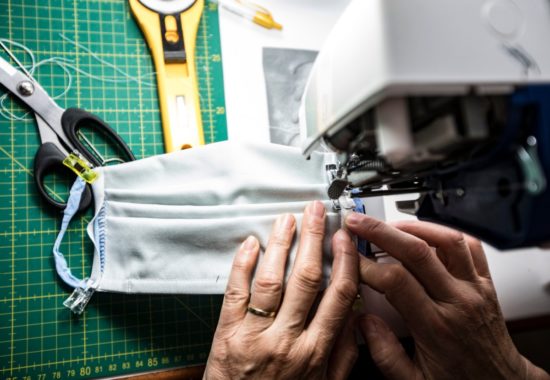
In the ultimate act of service learning, many universities and schools have shifted their focus during the COVID-19 crisis to manufacturing personal protective equipment (“PPE”) or providing PPE supplies to the local medical community and first responders. Colleges and schools
Businesses are starting to look to the longer term, including in respect of supply chain resilience, risk and its mitigation. There seems little doubt that things will not simply go back to what they were before. New partnerships are forming,