
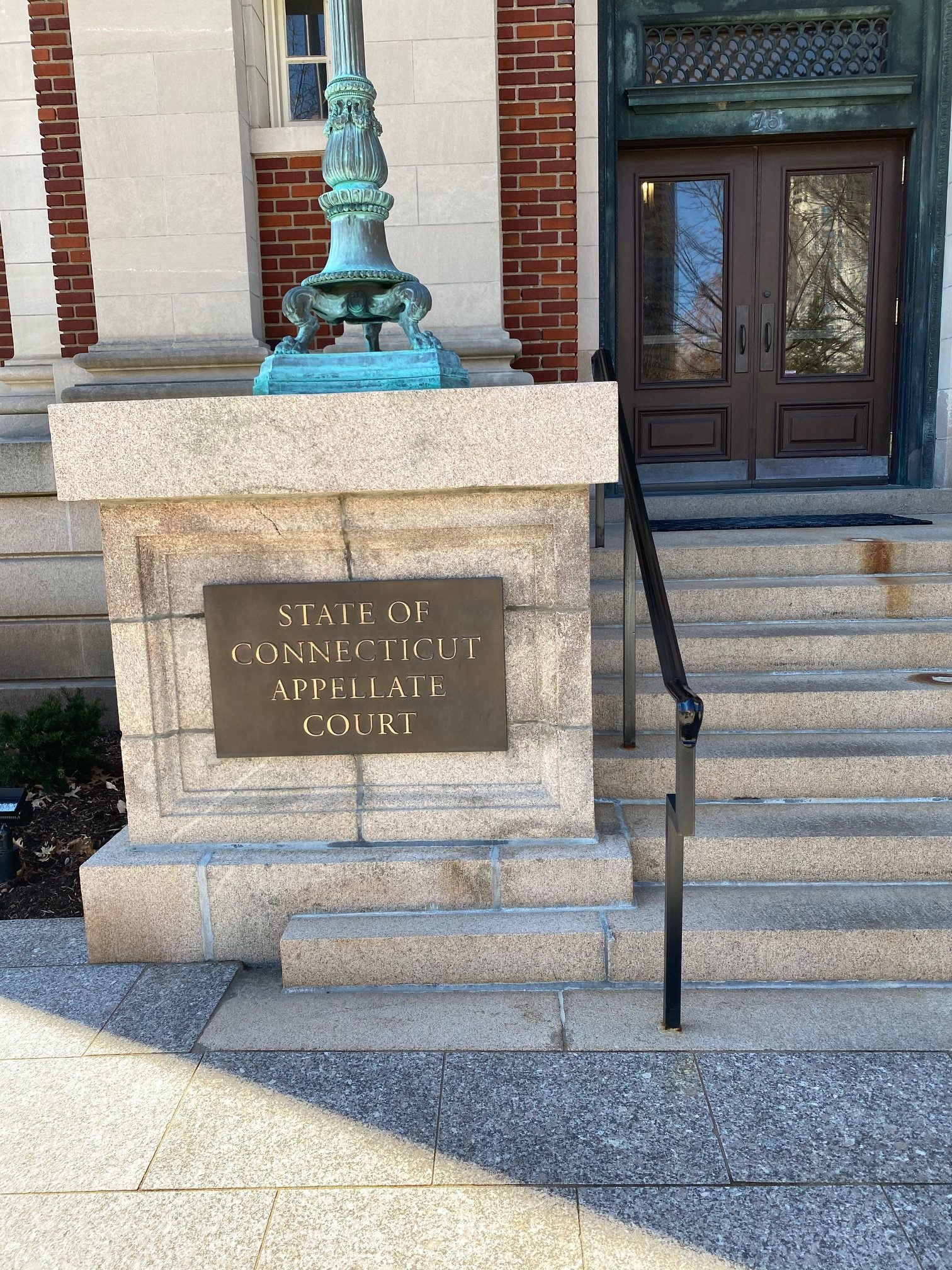
The Connecticut Appellate Court just released Golden v. WorldQuant Predictive Technologies, LLC, and while the decision covers several arbitration issues (more on another one of those in a future post), there’s one lesson that should have companies reviewing their arbitration clauses: a well-drafted attorney fee provision can be the difference between winning and actually getting paid for winning.
Link to The Golden Setup: When Arbitration Clauses Get Tested The Golden Setup: When Arbitration Clauses Get Tested
According to the Court’s opinion, James Golden was WorldQuant’s CEO with an $800,000 salary and 5% equity stake. When the company terminated him “for cause” in April 2021, citing fraud, gross negligence, and discriminatory conduct, Golden contested his termination and the parties filed competing claims through arbitration as required by his employment agreement.
The arbitration didn’t go well for Golden. After nine days of hearings and extensive discovery, the arbitrator ruled against him on every claim, found the termination was indeed for cause, and ordered forfeiture of his entire equity interest (an issue contested on appeal). WorldQuant then sought nearly $2.8 million in damages, attorney’s fees, and costs.
Here’s where things get interesting: Golden challenged the arbitrator’s award of $690,578.60 in attorney’s fees and costs, arguing the arbitrator exceeded his authority and manifestly disregarded the law. The Connecticut Appellate Court’s response? Not so fast.
Link to The Arbitration Clause That Made All the Difference The Arbitration Clause That Made All the Difference
The key to WorldQuant’s victory lay in their employment agreement’s arbitration clause, which included this crucial language:
“[T]he party prevailing in any such arbitration proceeding shall be entitled to receive, in addition to all other damages to which such party may be entitled, the costs incurred by such party in connection with such arbitration, including, without limitation, reasonable attorneys’ fees, costs and expenses.”
Now, the language may not have been the cleanest according to the attorneys for Golden, but the clause does state the prevailing party gets fees “in addition to all other damages” which suggests that it is not contingent on receiving other damages.
Link to Golden’s Failed Challenge: Why Arbitration Clauses Trump General Principles Golden’s Failed Challenge: Why Arbitration Clauses Trump General Principles
Golden tried two angles to challenge the attorney fee award, both of which failed:
The Scope Challenge: Golden argued the arbitrator exceeded his authority because the arbitration clause was ambiguous about attorney’s fees (since it also prohibited punitive damages). The court wasn’t buying it. According to the court, the plain language clearly entitled the prevailing party to attorney’s fees and costs, and even if there was ambiguity, that ambiguity would undermine rather than support Golden’s claim that the award “necessarily” fell outside the submission’s scope.
The “Manifest Disregard” Challenge: Golden also claimed the arbitrator ignored the law because WorldQuant wasn’t really the “prevailing party” and because no actual monetary damages were awarded. Again, the court disagreed. WorldQuant won on every claim and Golden lost on every counterclaim — which, I think the court would agree, is pretty much the definition of “prevailing party.” More importantly, WorldQuant did receive substantial relief: Golden forfeited his entire 5% equity stake, which the arbitrator noted was “arguably the largest component of his compensation.”
Link to The Practical Lessons for Companies The Practical Lessons for Companies
This case offers several crucial takeaways for drafting arbitration agreements:
1. Clear Fee-Shifting Language Works WorldQuant’s clause seemingly left no room for interpretation. It didn’t tie attorney’s fees to specific types of relief or require monetary damages. Thus, making it clear that attorneys’ fees can be awarded just by a finding on liability may be the strongest takeaway from the court’s opinion.
2. Connecticut Follows the American Rule — Unless You Contract Around It The court specifically noted that Connecticut adheres to the American rule (each party pays their own attorney’s fees), but “there are few exceptions. [One] example [is] where a specific contractual term provides for the recovery of attorney’s fees and costs.” Your arbitration clause can be that contractual exception.
3. Arbitration Deference Cuts Both Ways Courts give extraordinary deference to arbitration awards. Here, that deference worked in WorldQuant’s favor, but the same principle protects well-drafted employer-friendly provisions from judicial second-guessing. That said, if the employer had lost, that fee-shifting language would also be relied upon by the arbitrator.
Link to The Bottom Line The Bottom Line
Golden v. WorldQuant won’t change the arbitration landscape overnight, but it’s a solid reminder that contract drafting fundamentals still matter. When you’re reviewing or updating arbitration clauses, don’t just focus on the procedural requirements — think about what happens when the company actually wins.
A clear, comprehensive attorney fee provision can mean the difference between a moral victory and actual compensation for defending against baseless claims. In today’s litigation environment, that’s not just good lawyering — it’s good business.
And just a reminder: This case can be appealed further. So stay tuned.